Console binding reference
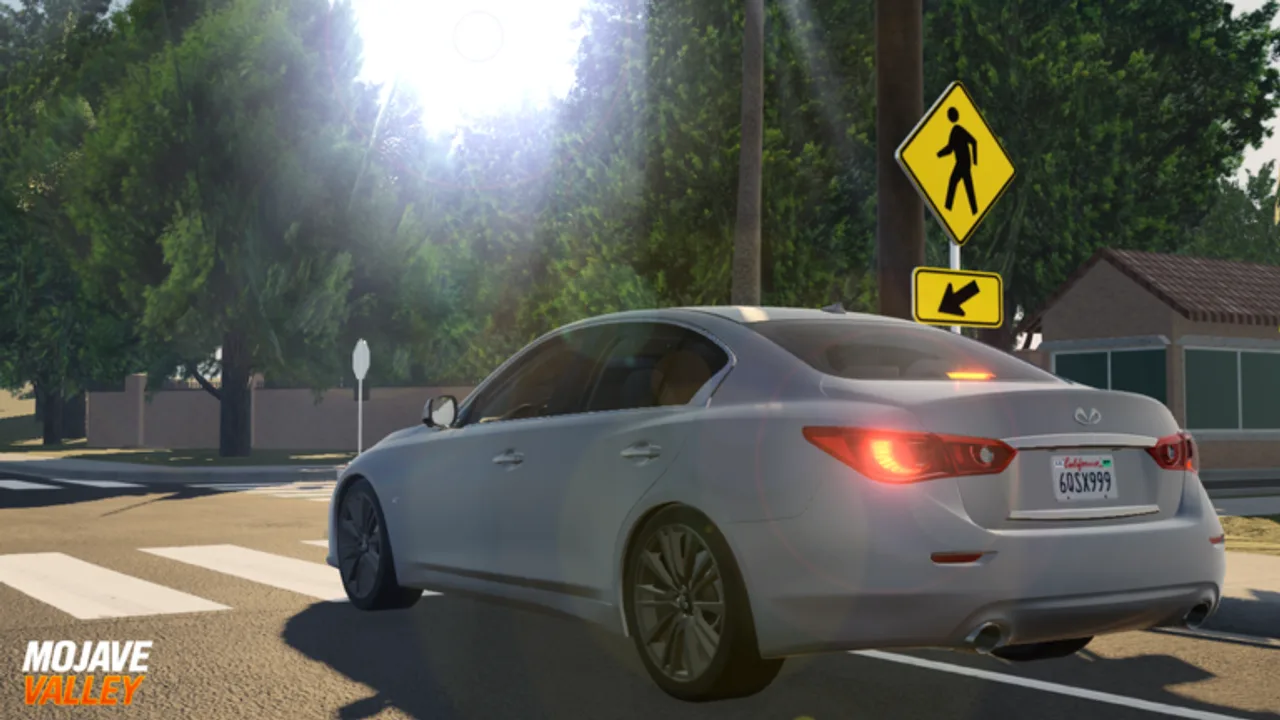
Memorize the turn-signal and hazard controls before entering high-traffic areas. Signals make intersections and parking-lot scenes readable, while hazards tell nearby drivers that you are stopped or dealing with a scene. Because many Roblox roleplay servers rely on informal cooperation, these small inputs prevent confusion more effectively than repeated chat messages.
The shift buttons matter whenever a vehicle uses manual-style behavior. ButtonX shifts down and ButtonY shifts up on console, so practice on a straight road before driving through a busy city block. If the vehicle feels sluggish, loud, or difficult to control, adjust your shift timing before assuming the car itself is bad.
The controls list is more than a reference table. It tells you which driving behaviors the game expects players to use in public: signals, hazards, shifting, and manual start behavior. Many Roblox driving games hide those details behind casual movement; Mojave Valley surfaces them because readable road behavior is part of the roleplay.
If you play with keyboard and mouse, use the console list as a behavior checklist even when the exact buttons differ. The important lesson is that the car should communicate intent. A signal before a turn and hazards during a stop reduce confusion in the same way on every input device.
- DPad left or right: turn signals.
- DPad down: F action.
- LT plus DPad down: start car.
- ButtonX: shift down.
- ButtonY: shift up.
- ButtonB: hazards.
Traffic habits that protect roleplay
Use slower speeds near player clusters, dealerships, homes, and parking rows. Mojave Valley’s appeal is the illusion of a living California-inspired town, and that illusion breaks when drivers blast through crowded areas as if every road is a race strip. Save high-speed testing for open roads where fewer players are staging scenes.
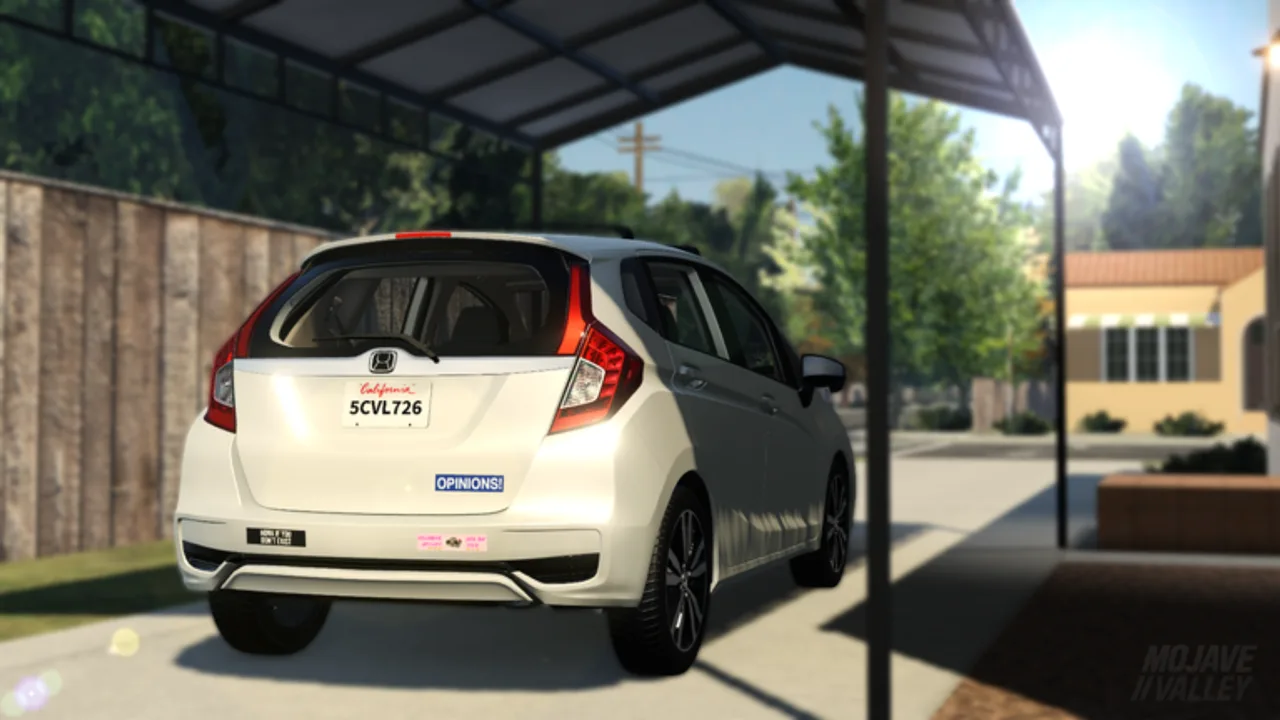
When entering a parking lot, signal early, slow down, and leave room between cars. If you stop in the lane, switch on hazards. These actions are not just cosmetic; they tell other players whether you are turning, waiting, or inviting interaction. In a 25-player server, readable movement keeps scenes from collapsing into honking and chat arguments.
Good traffic habits also protect your cash goals. Crashes, blocked scenes, and arguments waste time that could be used for earning or exploration. Drive slower near intersections and social areas, then use open stretches for speed and handling tests. This split keeps the world believable without removing the fun of cars.
A roleplay server does not need perfect real-world traffic law to feel convincing. It needs consistent cues. If drivers signal, stop cleanly, and avoid sudden lane changes around groups, the map feels alive instead of chaotic. New players who learn that quickly are easier to invite into scenes.
Use chat only after the car has already communicated the basic idea. A typed apology or request helps, but it cannot replace braking, signaling, and moving out of the lane. The best drivers make their intent visible before they type, which matters because other players may be on console, mobile, or already focused on their own roleplay.
Treat crowded spaces as low-speed zones even if the game does not enforce a posted limit. Dealerships, parking rows, homes, and job-adjacent streets attract players who may stop suddenly or type while parked. Slowing down before you reach those spaces gives everyone time to react and makes your driving look deliberate rather than careless.
A simple practice route
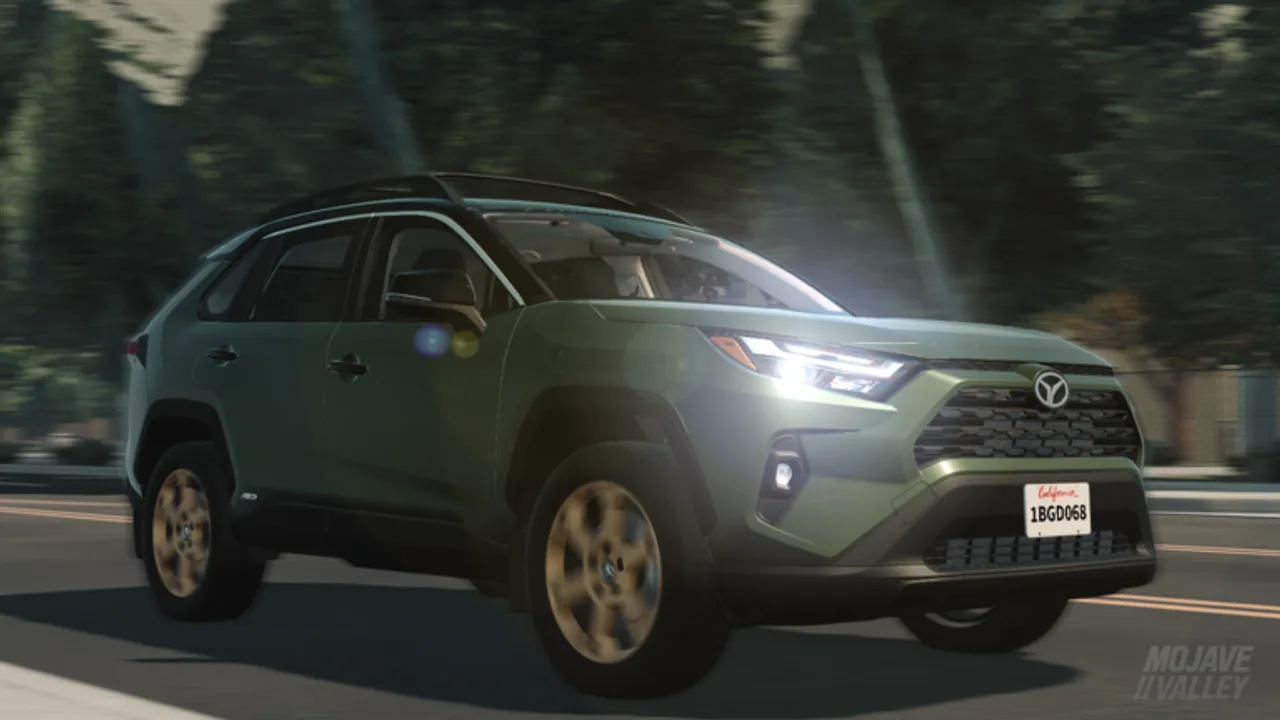
Run a three-part practice loop before you spend heavily on vehicles. First, drive a straight segment and test acceleration, braking, and shifting. Second, turn through a low-traffic block while using signals both ways. Third, pull into a parking area, stop cleanly, toggle hazards, and leave without clipping another vehicle.
Repeat that loop after switching cars. Different vehicles can change braking distance, cornering feel, and shift rhythm. The goal is not perfect simulation technique; the goal is predictable movement that lets you earn cash and join roleplay without becoming the reason other players avoid the road.
Use the same practice route after every major vehicle purchase. A car that felt fine in a straight test may still be too wide, too fast, or too slow to park in a busy lot. Running the same loop gives you a fair comparison across cars because the roads, turns, and parking spaces stay constant.
End the route with a social action: pull into a parking area, stop, hazard, and wait a few seconds before leaving. That step teaches you whether the car is comfortable in the places where other players actually interact. If you cannot handle it there, it is not ready for crowded roleplay.
Keep one recovery habit for mistakes. If you miss a turn, overshoot a parking space, or shift badly in traffic, do not snap the car across lanes to fix it instantly. Slow down, signal, pull clear, and reset. Players forgive a visible correction more easily than a sudden move that turns one small control mistake into a server-wide disruption.