
Road language
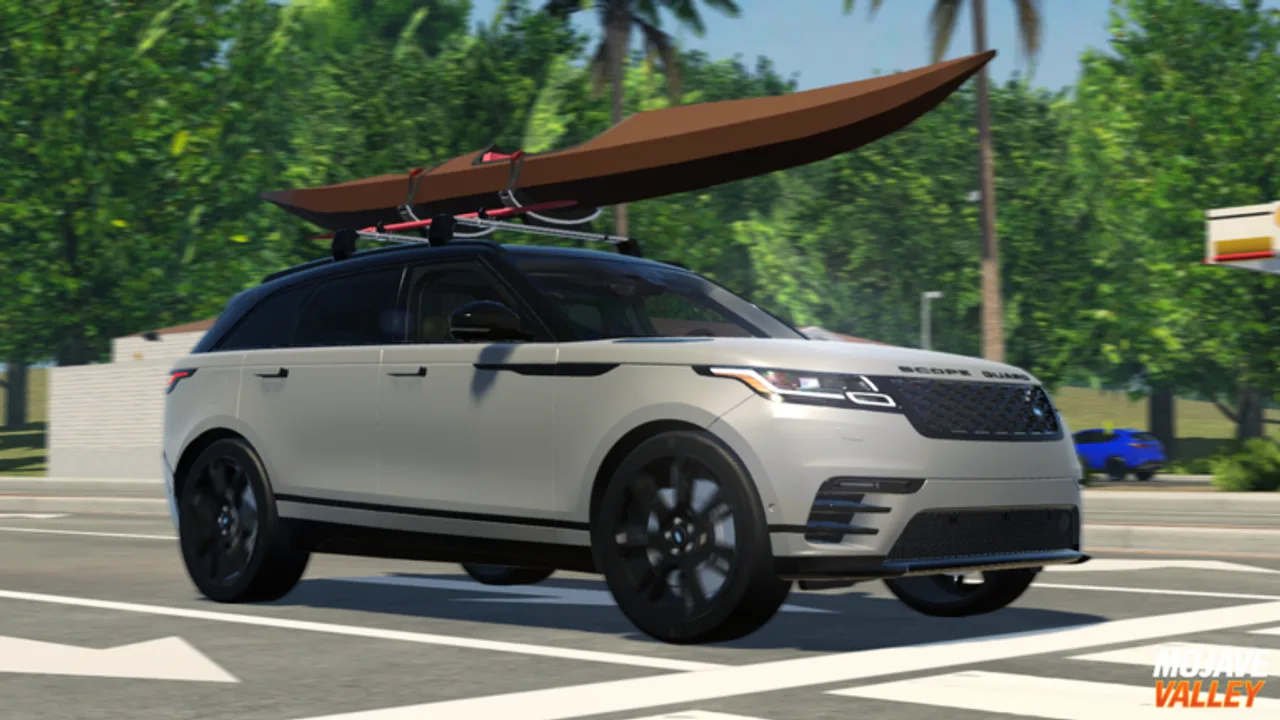
The road screenshots emphasize long sightlines, clear lanes, and space for vehicle movement. That supports the official Vehicle Sim classification. For players, it means driving skill is part of the core loop, not a side activity. Learn how each car behaves on open roads before using it in crowded town spaces.
The desert-road framing also explains why Mojave Valley differs from dense city-only roleplay games. Open road time gives players a reason to cruise, earn, and test vehicles without needing a scripted race. That space is important for both casual sessions and car-focused groups.
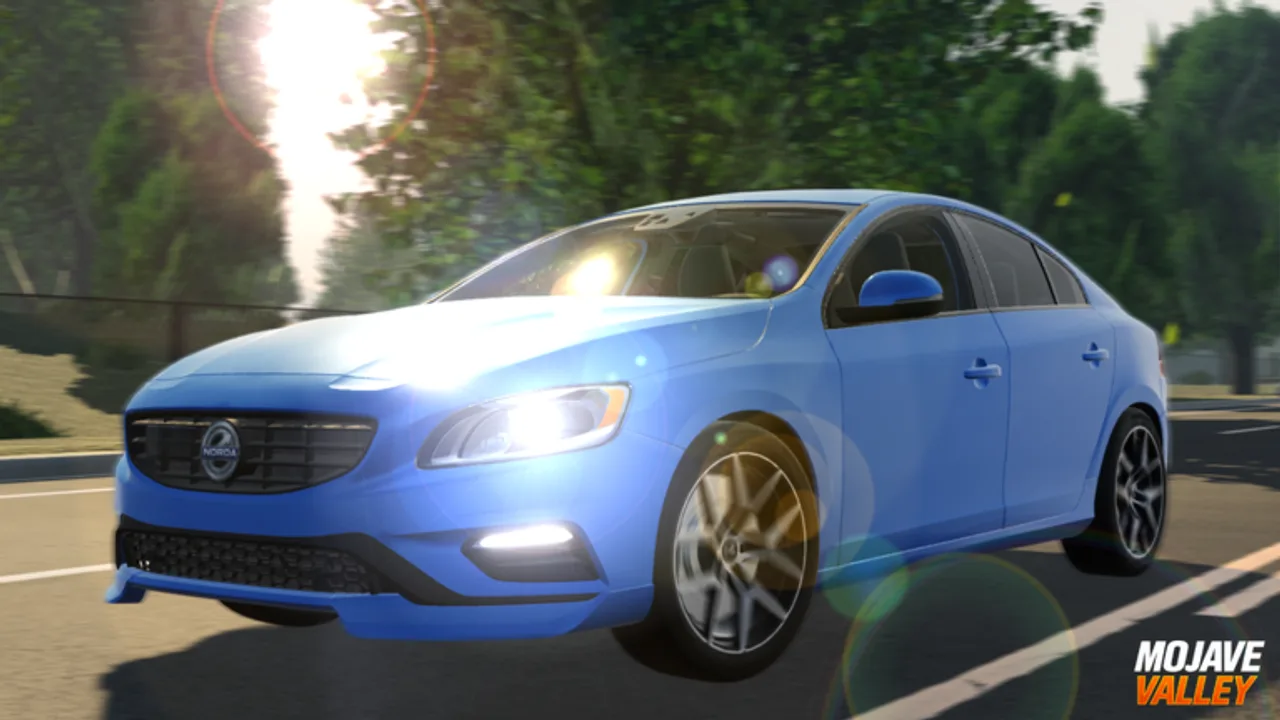
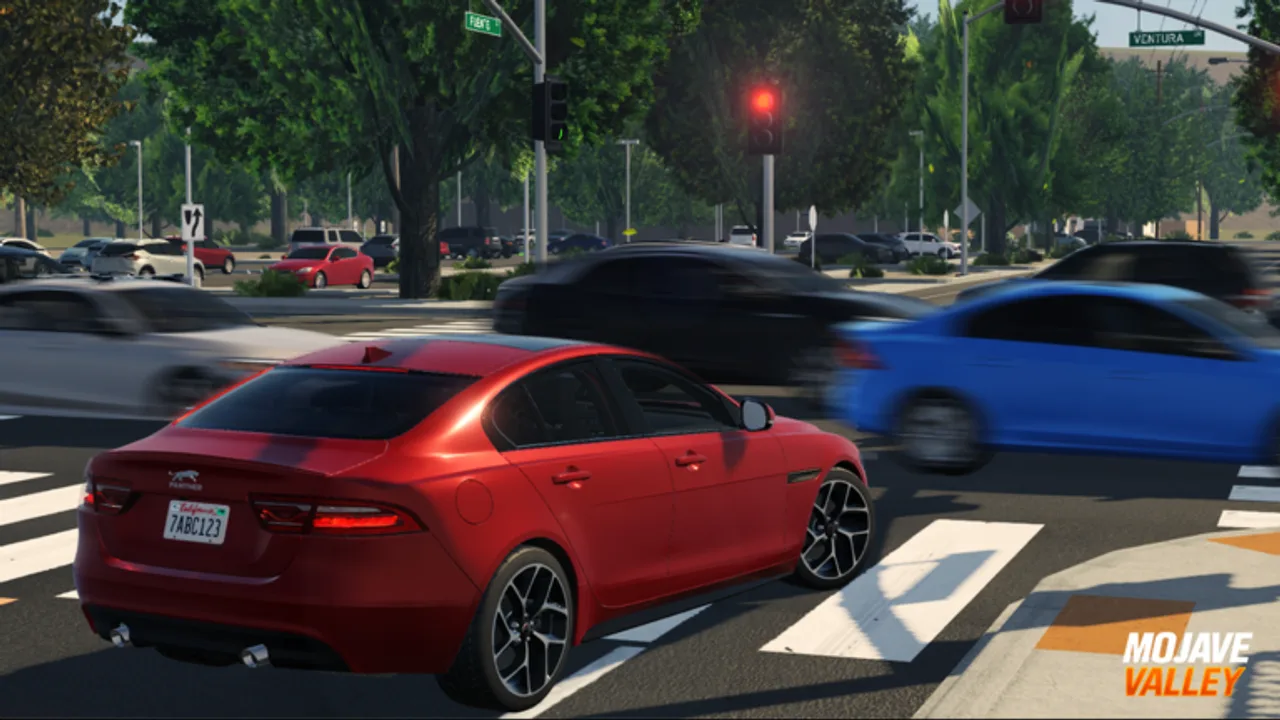
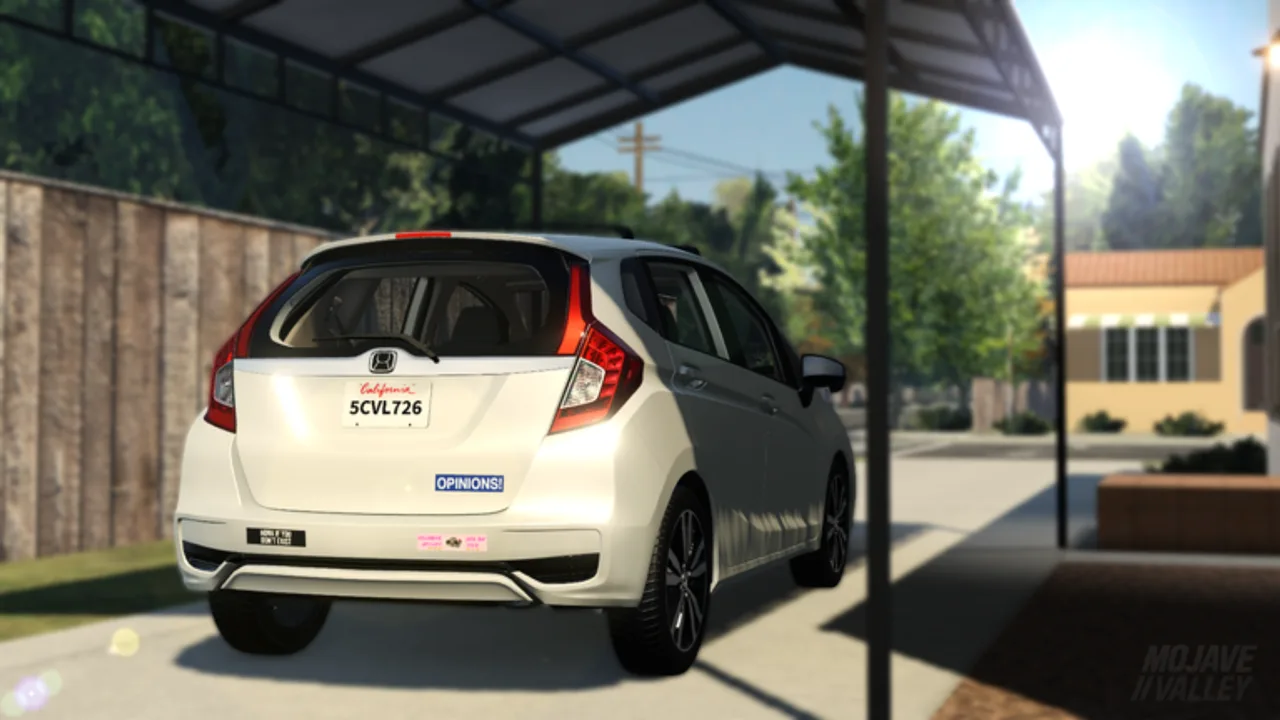
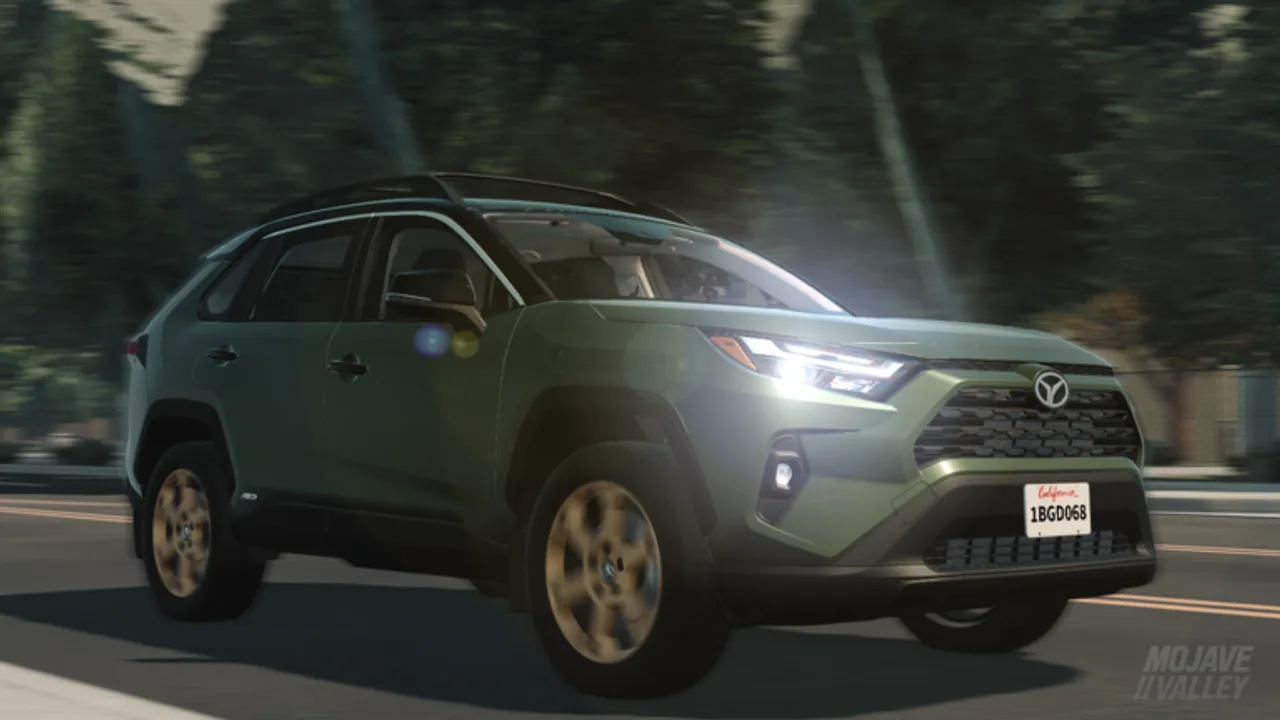
A player can read the official media like a route plan. Long roads suggest cruising and earning. Intersections suggest traffic behavior. Vehicle close-ups suggest dealership and garage goals. Parking shots suggest social scenes. The screenshots are not just promotional; they reveal the kinds of sessions the game is built to support.
If a page on the wiki talks about driving, money, or vehicles, it should use these images rather than generic art. Real game media helps players decide whether Mojave Valley matches the experience they want before they click through to Roblox.
Look for scale when reading the road images. Wide lanes and long views suggest that the game supports cruising and vehicle testing, while tighter city shots suggest places where clean driving and parking matter more than top speed. A player who reads that difference before joining can choose a better first route and avoid treating every scene like a race.
The official screenshots also show why the wiki avoids unrelated Mojave desert photography. Real-world desert images might look attractive, but they would not tell a Roblox player how the game handles roads, cars, lots, or roleplay hubs. The correct visual source is the actual experience, even when the available media set is limited.
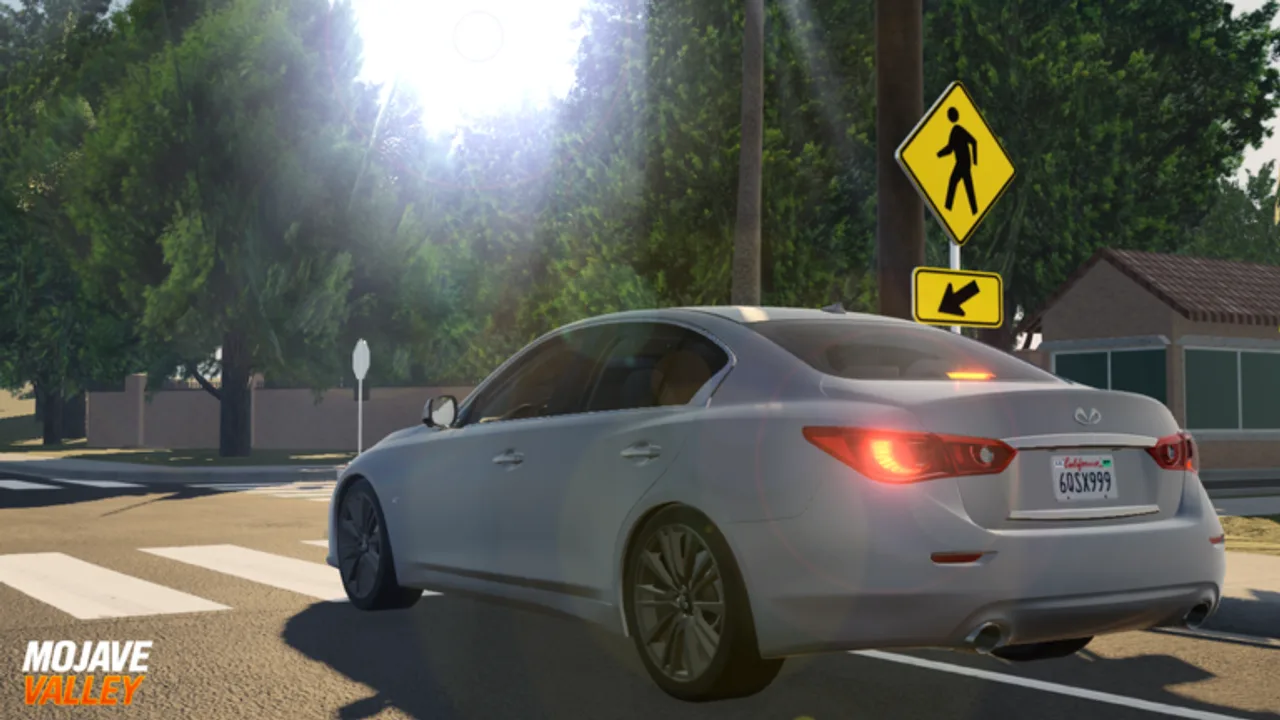
Official media grid
The full media set below is useful for quick visual orientation. It is also a quality boundary for the wiki: pages about Mojave Valley should show the actual game rather than generic desert stock art. Every guide in this site uses these official images or the official icon so players can inspect the real Roblox experience.
The gallery also exposes a quality rule for future expansion. If the wiki adds vehicle or location pages, those pages need either real official media or clear in-game evidence. Reusing the same generic image everywhere would make the site feel cheaper than the game itself.
Until a complete official media taxonomy exists, the grid uses descriptive labels such as road, town, garage, and parking row. Those labels are functional rather than invented lore names, which keeps the page useful without pretending the wiki knows more than the public sources show.
For players choosing whether to join, the grid should answer three questions quickly: does the game have enough road space, does it support vehicle-focused social play, and does it look like a place where driving manners matter? Mojave Valley’s official media answers yes to all three, which is why the strongest pages on this wiki connect screenshots back to actual play decisions.
For returning players, the gallery can also work as a change detector. If the official media set shifts toward new buildings, vehicles, jobs, or road types, those changes usually deserve a fresh look at the beginner, money, vehicle, and map guides. Visual changes are not proof of mechanics, but they are often the first public signal worth checking.
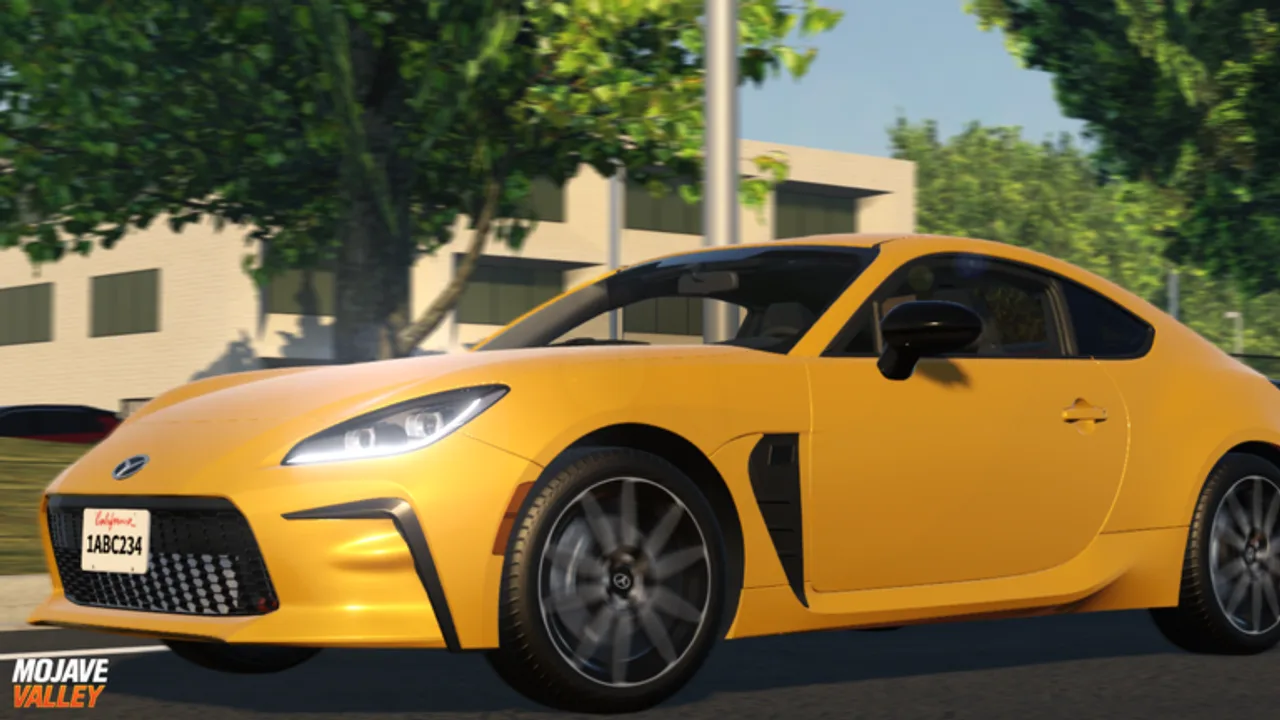
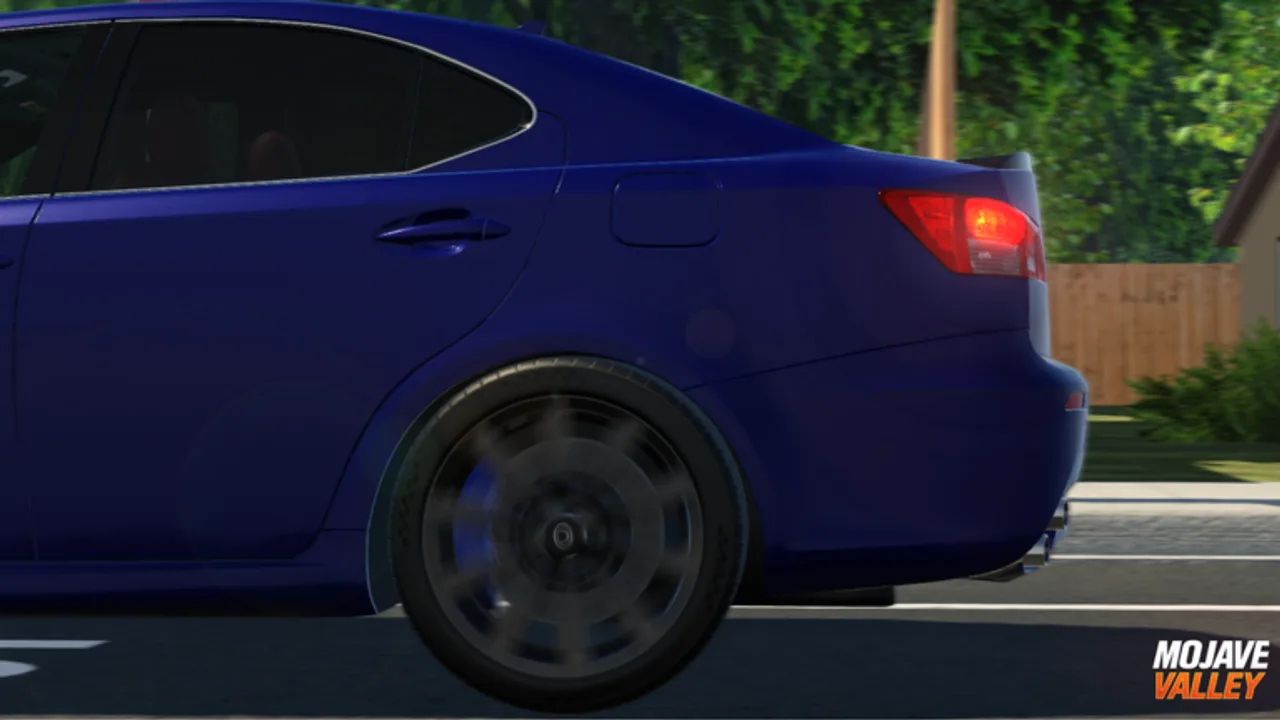
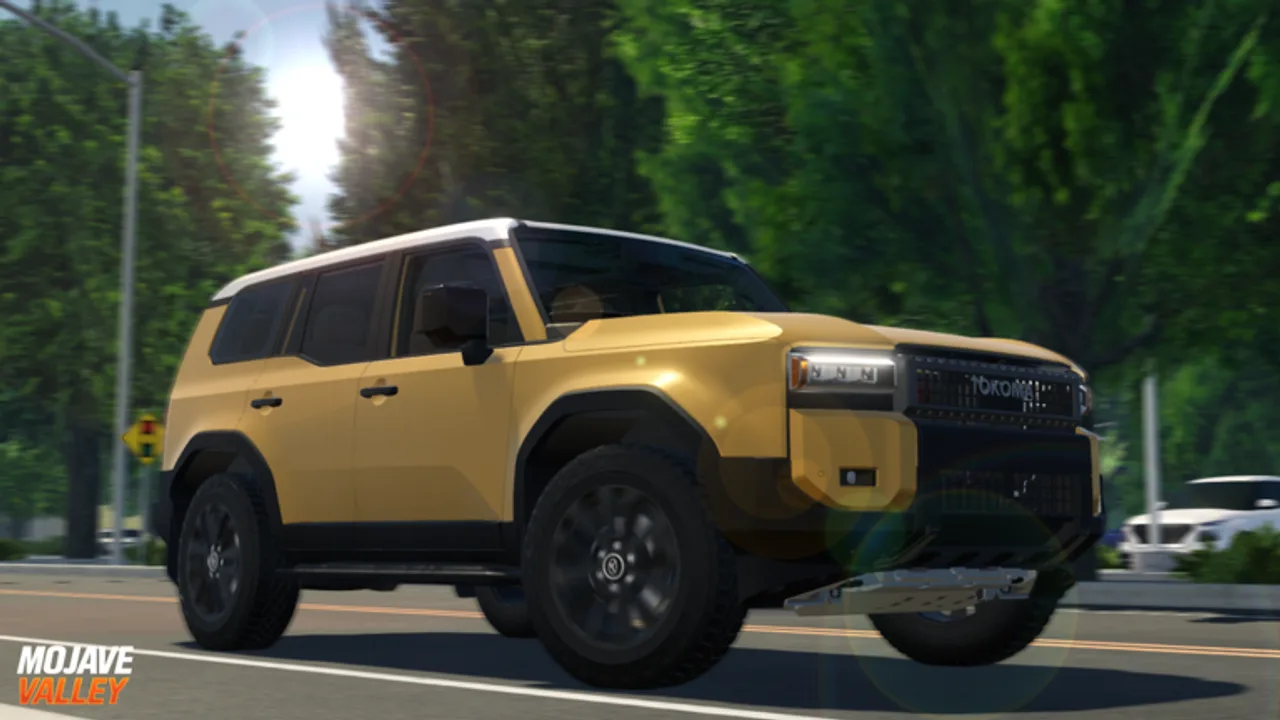

Social spaces
Parking and town images show where social roleplay forms. A row of cars can become a meet, a storefront area can become a job scene, and a quiet street can become a residential story. These spaces are flexible, which is why player behavior matters. Good parking and clear signaling make the space easier for everyone else to use.
The best gallery read is functional: ask what each space lets a server do. If an image shows a wide lot, think vehicle meet. If it shows buildings and roads, think daily-life roleplay. If it shows a garage, think purchase planning and customization goals.
The social images show why parking and spacing matter. A row, lot, or town block becomes playable only when players leave room for movement. Crowding every entrance with cars makes the space look busy but function badly. Good roleplay space is visible, readable, and easy to leave.
Use the gallery to choose your session mood. If you want a cruise, look for servers where roads are active. If you want a meet, find clusters near vehicle spaces. If you want quiet exploration, pick a less crowded server and use the road images as a guide to what to inspect.