Vehicle buying checklist
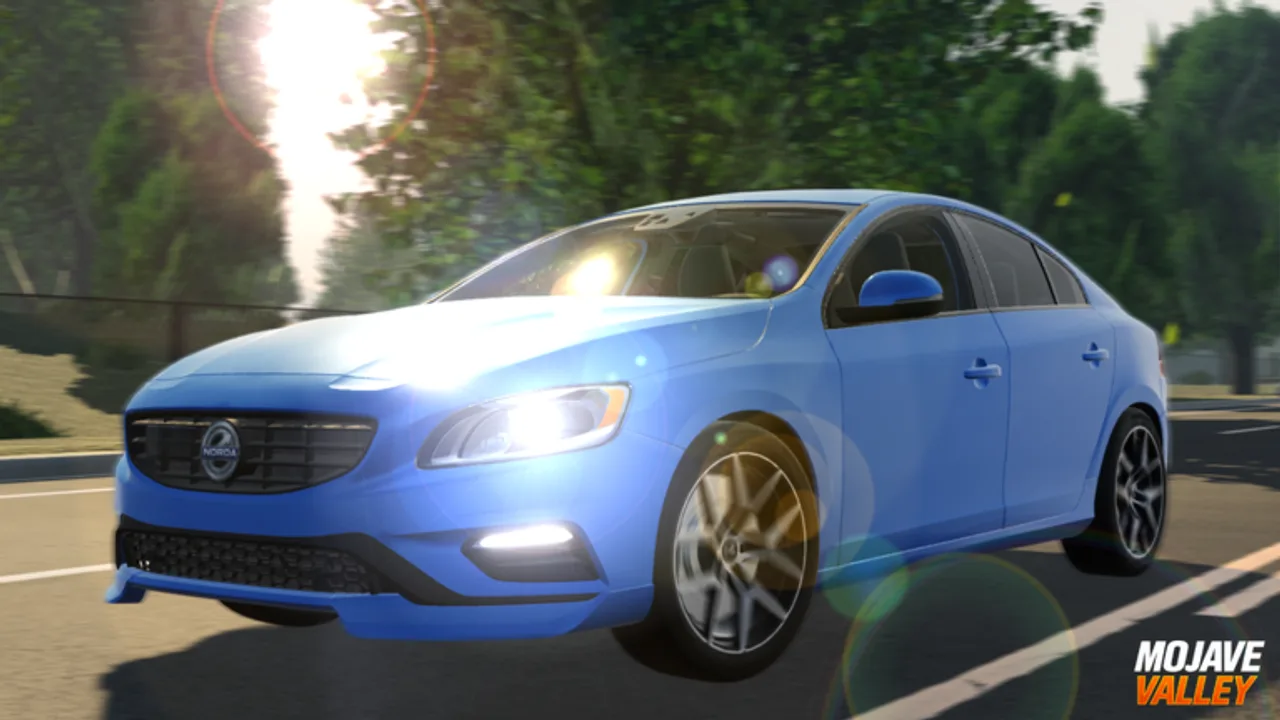
Before buying, test whether the car matches your driving skill. If you struggle to stop, turn, or park it, the vehicle will make public servers harder rather than better. Mojave Valley’s driving roleplay rewards control. A car you can park neatly, signal with, and drive predictably often creates better interactions than a car that only looks expensive.
Check the current update context before spending on a limited. Public video titles and code pages often mention limiteds, JDM imports, homes, police, jobs, and town additions around update periods. That suggests the garage meta can change with content waves. If a limited appears, compare it against your cash reserve and the chance that a next update introduces another target.
A useful dealership checklist is simple: price, handling, server use, and update risk. Price tells you whether the car breaks your reserve. Handling tells you whether you can drive it around other players. Server use tells you whether it fits the current roleplay scene. Update risk reminds you that a new vehicle drop can change what you want next week.
Do not treat an expensive car as automatically better. In a 25-player roleplay server, the best car is often the one you can control at low speed, park cleanly, and drive without blocking other people. A high-speed car that only works on open roads is fun, but it may not be your best daily vehicle.
Match the car to the roleplay
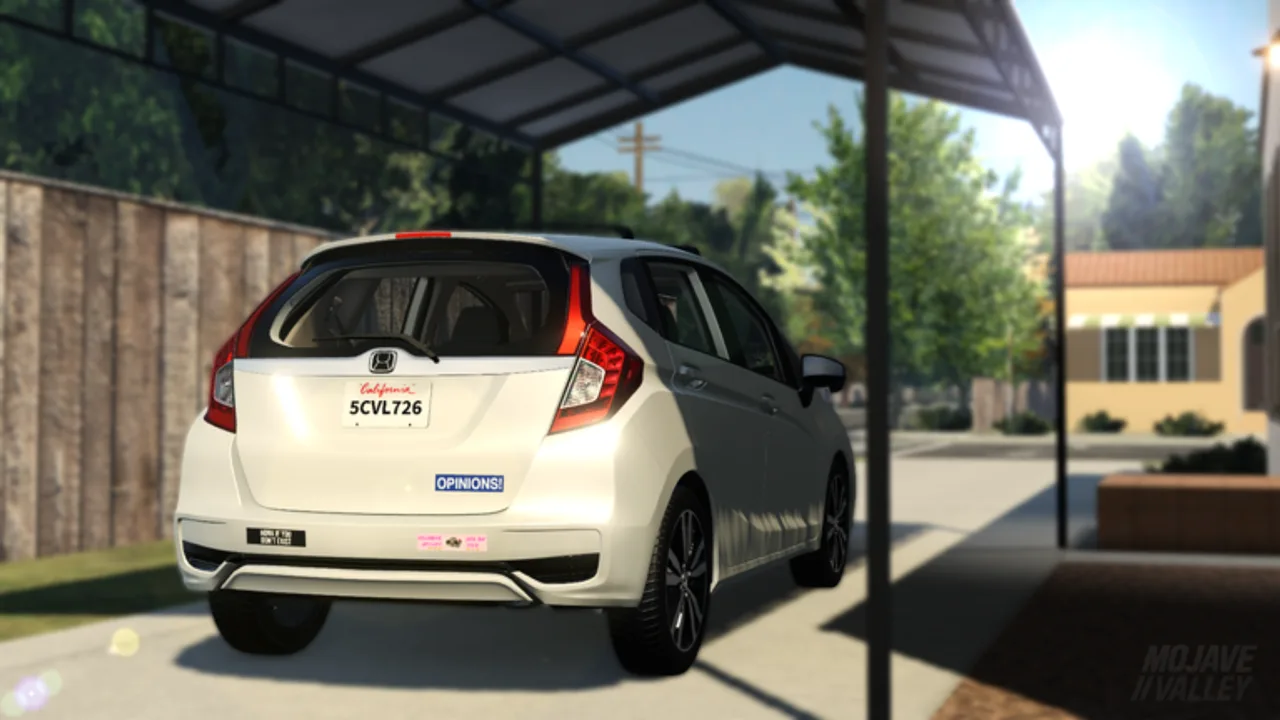
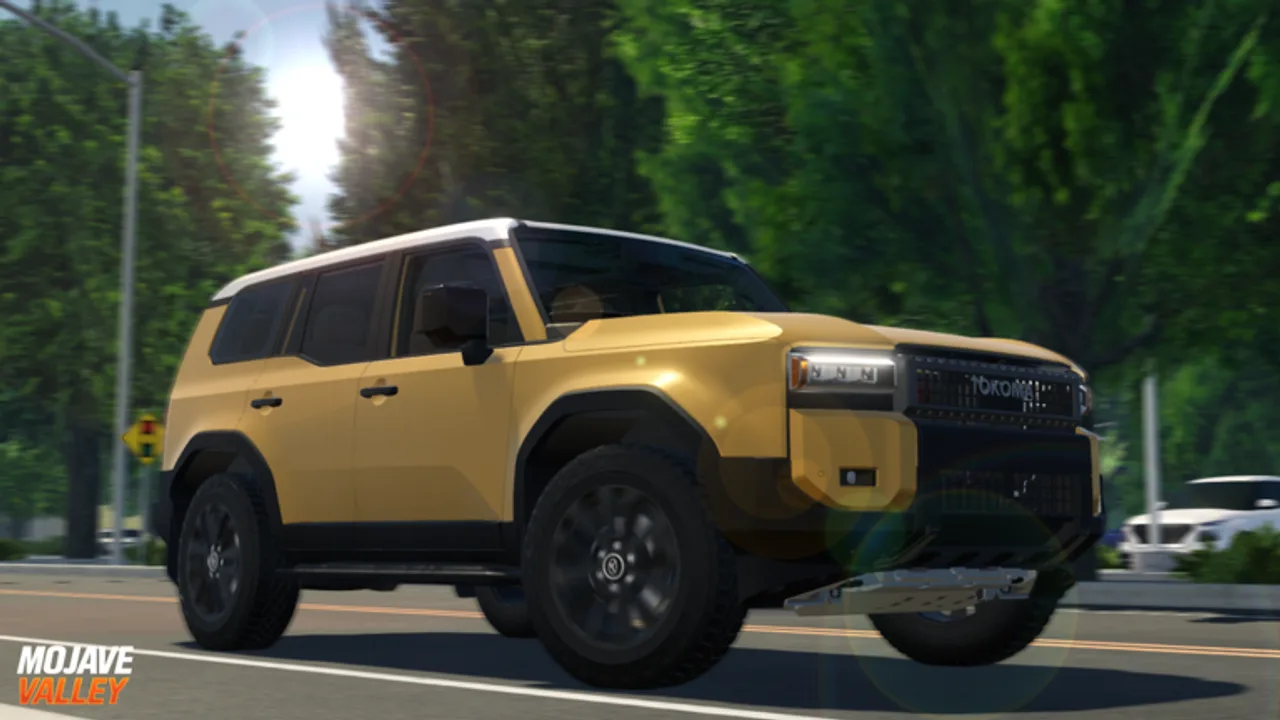
Use different vehicles for different scenes when your budget allows it. A commuter car fits neighborhood and job roleplay. A performance car fits meets, cruises, and open-road driving. A utility-style vehicle can make more sense for service scenes or group travel. Mojave Valley does not need a scripted class system for players to create these roles; the city and vehicle choices do most of the work.
Parking-lot scenes are a good test of social fit. If players gather around a row of cars, arrive slowly, signal, park straight, and leave space. The best vehicle in that moment is the one that lets you join without disrupting the lineup. Players remember clean participation more than raw price.
Match vehicle style to session type. For a casual town scene, a normal sedan or SUV can look more believable than a rare performance car. For a meet, appearance and theme matter more. For earning, comfort and route speed matter. One garage can support all three roles if you buy intentionally.
If friends are involved, ask what kind of session they want before spending. Buying a show car for a delivery-style session or a basic car for a themed meet can create regret. Mojave Valley is social enough that other players change the value of a vehicle.

When to upgrade
Upgrade when your current car blocks a goal. If you cannot keep pace with friends on longer drives, cannot reach job locations comfortably, or want to participate in a vehicle meet with a specific theme, an upgrade has a purpose. If the only reason is that cash is available, wait for one more session and see whether a new code or update changes your target.
Do not ignore handling. A smoother car can be worth more than a faster one in a server with traffic, pedestrians, and roleplay stops. Mojave Valley’s 25-player server cap creates enough density that control matters. A small improvement in braking and cornering can save more time than a high top speed you rarely use.
Upgrade after friction becomes obvious. If your current car cannot keep up on group cruises, struggles on job routes, or makes parking scenes awkward, the next purchase has a clear purpose. If the current car still supports the session, keep earning and wait for more information.
A good second vehicle should expand what you can do, not merely replace the first. Look for a different role: one practical daily vehicle and one meet or performance vehicle is more useful than two cars that behave the same way. Variety keeps sessions fresh without requiring a huge garage.
After buying, judge the vehicle by use rather than price. If you choose it repeatedly for cruises, jobs, and social hubs, it was a strong purchase. If it stays parked because it is awkward to handle or does not fit your group’s scenes, treat that as information before buying the next flashy release. The garage should serve your sessions, not just display your balance.